Pet identification has become much more reliable in recent years thanks to modern technology. One of the most effective tools used today is microchipping, especially for dogs. However, the microchip itself is only part of the system. A pet chip database is equally important because it stores the information that connects the chip to the pet owner. Without a proper database, even the most advanced dog microchips cannot help reunite lost pets with their families.
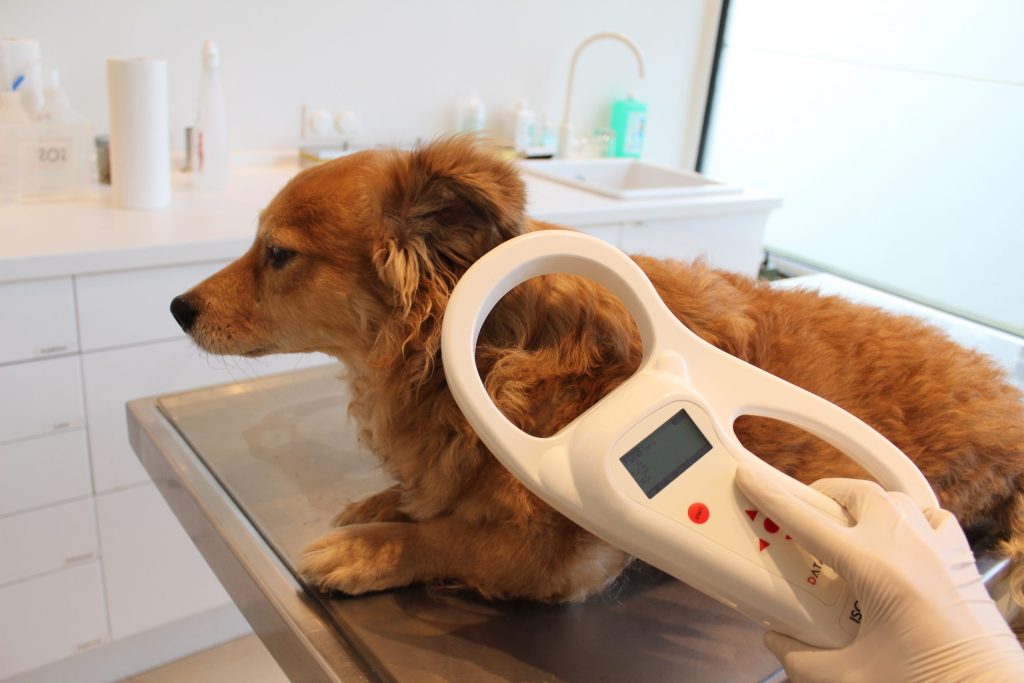
Dog microchips are tiny electronic devices, about the size of a grain of rice, that are implanted just under the skin of a dog. The procedure is quick, safe, and commonly performed by veterinarians or trained animal professionals. Each microchip contains a unique identification number that can be detected using a microchip scanner. When a lost dog is found, animal shelters, veterinary clinics, or animal control officers can scan the chip to retrieve this identification number.
The identification number stored in dog microchips does not directly contain personal information about the owner. Instead, it connects to a pet chip database that holds the details about the pet and its owner. This information typically includes the owner’s name, address, phone number, and sometimes additional contact details. When the number from the microchip is searched in the database, the registered owner can be contacted immediately.
A reliable pet chip database significantly increases the chances of lost pets being reunited with their families. Studies and animal welfare reports have shown that dogs with registered dog microchips are much more likely to return home compared to dogs without identification. This is particularly helpful in cases where a dog has lost its collar or identification tag.
Registering dog microchips in a pet chip database is an essential step that many pet owners sometimes overlook. After the microchip is implanted, the owner must complete the registration process with the appropriate database provider. This ensures that the chip number is properly linked to the owner’s contact information. Some veterinary clinics or shelters may assist with the initial registration, but it is ultimately the pet owner’s responsibility to make sure the information is accurate.
Keeping the information in the pet chip database updated is just as important as the initial registration. If an owner moves to a new home, changes phone numbers, or transfers ownership of the pet, these details must be updated in the database. Outdated information can make it difficult for shelters or veterinarians to contact the correct owner when a lost dog is found.
Another advantage of dog microchips is their durability. Unlike collars or tags that can break or fall off, microchips are designed to last for the entire lifetime of the dog. They do not require batteries and remain functional for many years. Because of this, dog microchips provide permanent identification that cannot easily be removed or lost.
Pet chip databases also help animal shelters manage and track lost pets more efficiently. With a quick scan and database search, staff members can identify the owner and return the dog without lengthy investigations. This reduces the number of animals that remain in shelters and helps pets return to their homes faster.
In conclusion, a pet chip database is a vital part of the microchipping system. While dog microchips provide the identification number, the database provides the essential connection between the pet and its owner. By properly registering and maintaining information in a pet chip database, dog owners can greatly increase the likelihood of being reunited with their pets if they ever go missing.